
Design perspectives
How Small Objects Reshape the Texture of Living Spaces
Minimalist ceramic and metal forms turn daily items into visual anchors. Focus on material and form details to elevate home aesthetics.
The Evolution of a Residence
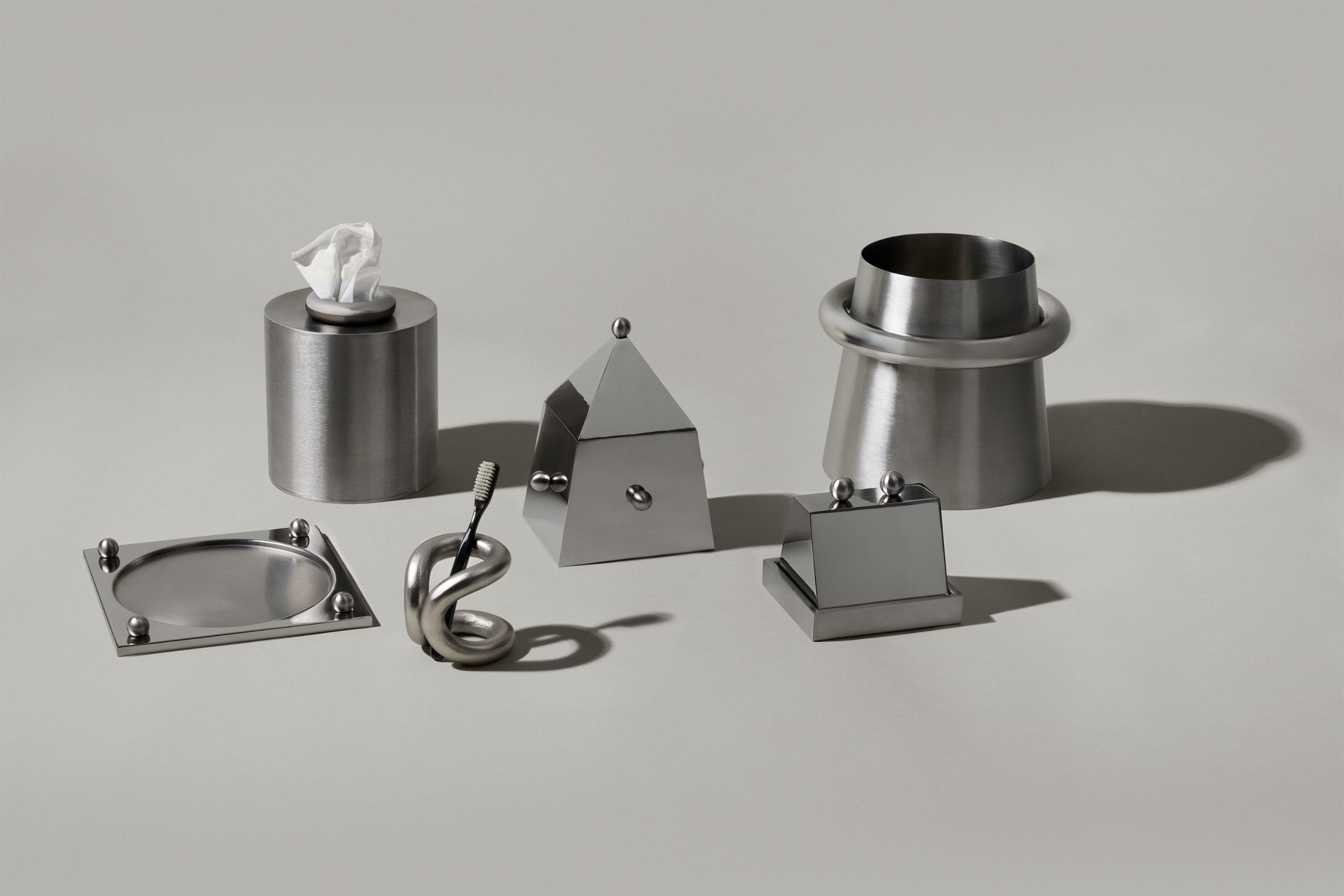
The texture of a living space is often determined by everyday small objects. When ceramics are transformed into minimalist forms, or metals are shaped into organic curves, these items shift from mere functional carriers to visual anchors within the space. For instance, series crafted from stainless steel and aluminum use extruded profiles bent into lampshades or hooks, allowing cold, hard materials to present a soft tactile quality. This transformation reminds us that when selecting home accessories, we need not limit ourselves to large furniture pieces. Small items like candle holders and aroma diffusers can equally define the ritual and atmosphere of a room. They combine glass craftsmanship with fragrance experiences, making light and scent part of the spatial narrative. In the final stages of renovation, paying attention to the material and form of these details allows the residence to grow naturally with the rhythm of life, presenting richer layers.
Letting Original Materials Speak
In soft furnishing, respecting the physical properties of materials is often more aesthetic than forcibly altering their forms. When ceramics are converted into minimalist geometric shapes, or metal profiles are bent into organic curves, objects become visual anchors rather than just functional tools. For example, collections made from stainless steel and aluminum bend extruded profiles into lampshades or hooks, giving cold materials a soft touch. This change suggests that home accessory selection should not be confined to large furniture. Small pieces like candle holders and aroma bases can define a room's ritual and mood. They merge glass artistry with scent, integrating light and smell into the space's story. Focusing on these material and form details during late-stage renovation helps the home evolve naturally with lifestyle, revealing greater depth.
Continuity Between Indoor and Outdoor
In renovation contexts, indoor-outdoor continuity does not mean a boundless physical extension, but rather a natural flow of living experience through material and form resonance. When arranging rest corners on balconies or terraces, choosing objects consistent with the indoor style eliminates spatial fragmentation. For example, brands like FLOS HOME, focused on home lighting, design fixtures that balance indoor ambiance with outdoor durability, making light a medium connecting inner and outer spaces. Similarly, KARTELL's plastic products, known for lightweight forms and vibrant colors, are often used in outdoor leisure areas, creating a visual dialogue with indoor furniture through their transparency. This continuity relies not on expensive building materials, but on unified control of material texture. When the coldness of metal alternates with the warmth of ceramics, or glass-refracted light extends from windows to courtyards, residents feel spatial coherence while moving. This design approach reminds us to view outdoor spaces as natural extensions of indoor life, not independent appendages. Selecting transitional furniture and accessories, such as weather-resistant seats or decorative-functional vases, achieves visual and functional harmony, enhancing overall living quality.
Juxtaposition of Furniture and Art
In living spaces, the boundary between furniture and art is blurring. When objects serve not just function but also independent expression of material and form, they gain artistic观赏 attributes. For example, minimalist series made from ceramics or metals combine organic curves with geometric forms, giving daily items a sculptural quality. This design philosophy suggests that when arranging living rooms or studies, one need not strictly distinguish between decorative paintings and functional furniture. Small items like candle holders and aroma bases, if they embody unique craftsmanship language, can become visual focal points. When selecting, focus on the object's formal tension and material texture, not just functional labels. This juxtaposition adds layers to the living space, allowing daily life to dynamically integrate into aesthetic experiences, forming a natural and tension-filled spatial narrative.
Details in Life Scenarios
In the finishing stages of renovation, focusing on small objects along daily movement paths adds a lived-in feel to the space. These details often determine comfort and ritual. For example, in bathrooms or entryways, choosing simple ceramic or metal accessories like toothbrush holders or hooks avoids visual clutter. FLOS HOME lighting products define functional zones with soft light, making corners cozy. KARTELL plastic products integrate into spaces with lightweight textures, their organic curve designs making daily items decorative. When selecting, pay attention to material resonance with existing furniture, such as metal and glass pairings. Though unassuming, these objects connect the spatial narrative, allowing residents to feel the warmth of design and attention to detail in daily use, elevating overall life quality.
Reflecting on the Present from Cases
Reviewing recent design cases clearly shows the role shift of small objects in spaces. They are no longer just background but become key to defining living atmosphere through restrained material and form expression. For example, when ceramics are transformed into minimalist forms, or metal profiles bent into organic curves, daily items like toothbrush holders and hooks gain sculptural quality. This change suggests that in late-stage renovation, one need not obsess over piling up large furniture. Small items like candle holders and aroma bases, if embodying unique craftsmanship, can connect the spatial narrative. When selecting, focus on the object's formal tension and material texture, not just functional labels. This juxtaposition adds layers to the living space, allowing daily life to dynamically integrate into aesthetic experiences, forming a natural and tension-filled spatial narrative.
Good questions, clear answers.
What does Timeless Deco do?+
Timeless Deco connects European furniture resources with interior projects, offering selection, sourcing coordination, logistics and installation planning. The exact scope is agreed for each project.
Can you source several brands for one project?+
A project can start with a multi-brand furniture schedule that considers dimensions, finishes, budget and delivery. Share a floor plan and references for the brands or spaces you prefer.
How do I start a sourcing conversation?+
Submit your name, contact details, city and brief through the project enquiry page. You can also call the consultation number or send an email directly.
Take your inspiration a little further.
Start your project ↗