
Sourcing guides
Open-Plan Furniture Procurement and Spatial Adaptation Strategies
Analyzes modular combinations and material-light interactions to guide furniture procurement and spatial adaptation for open-plan residences.
Understanding Space Through Case Studies
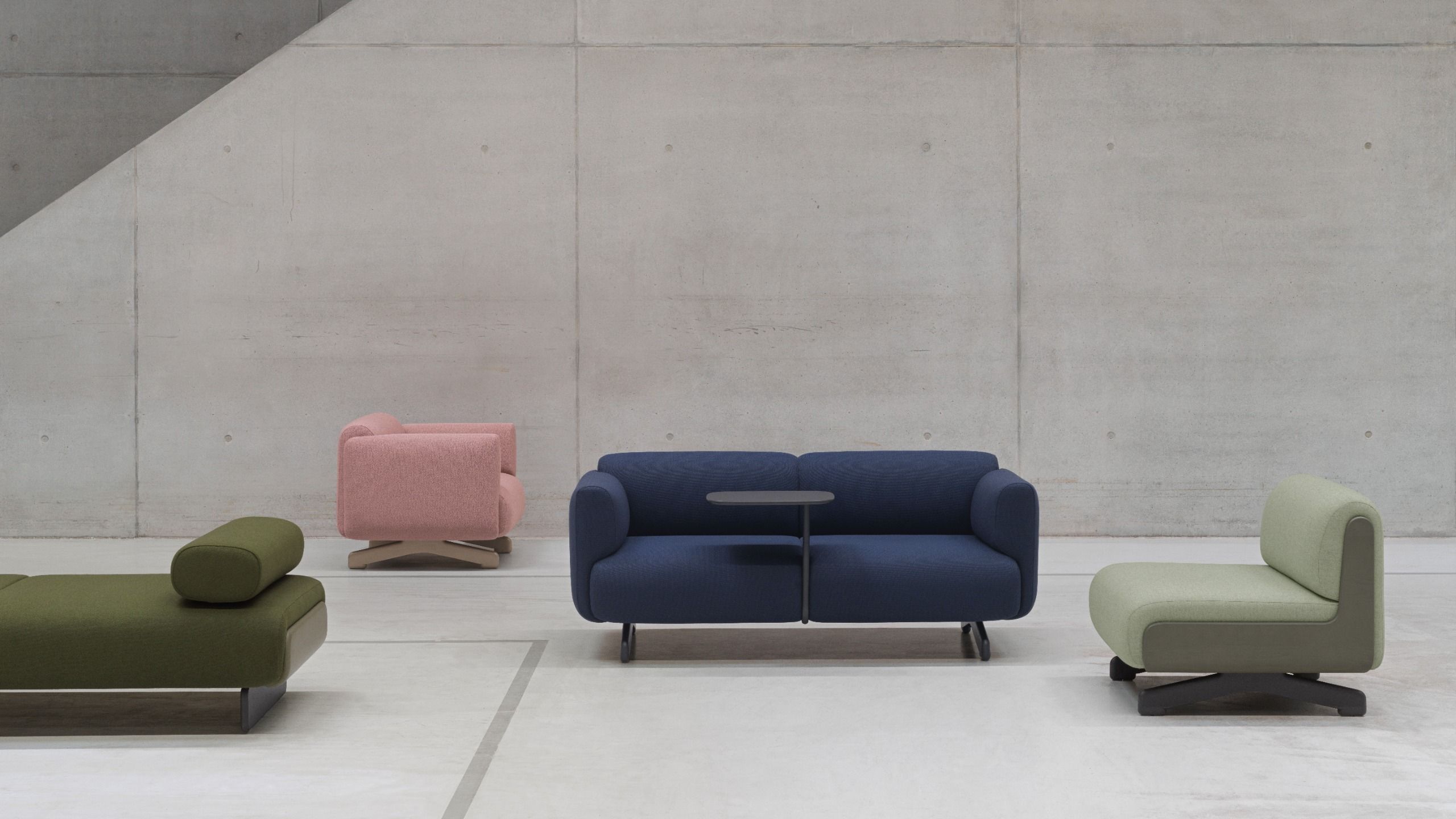
In open-plan residences, furniture serves not merely as individual decor but as a spatial tool for defining zones and regulating intimacy. Taking the Session series, designed by London-based studio Doshi Levien for the German Brunner Group, as a prime example, the collection comprises twenty-three combinable elements. The designers emphasize that while each unit functions independently, larger configurations can delineate distinct areas within an open space, creating atmospheres ranging from private to interactive. This modular approach offers significant reference value for home renovation: through L-shaped components or detachable structures, living rooms or studies can be flexibly divided into functional zones, maintaining spatial transparency while meeting needs for solitude or socialization. Furthermore, the series prioritizes the separability, replaceability, and repairability of components, with easily removable fabrics that embody a combination of sustainability and practicality. For homeowners seeking flexible layouts, adopting this 'component-based' mindset is more adaptable to life changes than purchasing fixed sofas, allowing the space to grow naturally with evolving needs.
Preserving Existing Architectural Structures
In residential renovations that preserve original architectural structures, furniture must align with existing spatial logic rather than forcibly reshaping the layout. For instance, certain plastic-molded chairs from KARTELL, characterized by their lightweight structure and compact volume, are suitable for embedding into narrow corners of older homes or open areas retaining original beams and columns. This prevents visual obstruction or disruption of existing circulation paths. This choice is not about pursuing stylistic uniformity but rather allowing new furniture to become an extension of the architectural texture, rather than a jarring insertion. When a space bears historical traces, such as exposed brick walls or aged flooring, selecting items with simple lines and transparent materials creates a dialogue between old and new, respecting the building's original appearance while meeting modern functional needs. During procurement, one should prioritize measuring key node dimensions to ensure furniture does not compress existing passage widths, while considering the coordination between materials and the building's era, allowing the space to update naturally within its preservation.
The Relationship Between Materials and Light
In interior design, a material's reaction to light directly determines the visual hierarchy and atmosphere of a space. Transparent or semi-transparent materials refract natural light, making spaces appear light and airy, while matte surfaces absorb light, creating calm and quiet corners. KARTELL, for example, often utilizes the high gloss or transparency of its signature plastic-molded furniture to allow light to flow across curved surfaces, forming unique visual focal points. This design technique is suitable for well-lit living rooms or dining areas, enhancing the sense of openness. In contrast, in dimly lit bedrooms or studies, selecting fabrics or wooden furniture with strong light-absorbing properties helps reduce visual noise and improve comfort. When procuring, it is advisable to observe how furniture performs under different times of day, avoiding excessive reflection that causes glare or too much absorption that leads to a oppressive atmosphere. By reasonably combining light-transmitting and light-absorbing materials, light can become an invisible element shaping spatial rhythm, rather than just a lighting tool.
Integrating Furniture into Daily Life
For furniture to truly integrate into daily life, the key lies in its ability to adapt to the constantly changing behavioral patterns of residents, rather than serving merely as static decoration. In domestic spaces, the placement of seating often determines the distance and intimacy of interpersonal interactions. Drawing on modular design concepts, selecting items that can be used independently yet combined flexibly allows the space to adjust naturally with the rhythm of life. For example, brands like KARTELL, which focus on material innovation, offer lightweight molded chairs that are easy to move, suitable for reconfiguration in living rooms or balconies to handle different scenarios such as solitary reading or friend gatherings. This flexibility avoids the rigidity brought by fixed layouts, making furniture a dynamic medium connecting people and space. In daily use, paying attention to whether furniture is easy to clean and adaptable to various sitting postures is more practically significant than simply pursuing form. When furniture can easily respond to life's needs, the space is no longer a constraint but an organic carrier supporting daily life.
Balancing Collection Value and Utility
In home procurement, balancing collection value with daily practicality hinges on judging whether furniture possesses maintainability and spatial adaptability. Taking KARTELL as an example, its plastic-molded chairs, due to material characteristics, are often easy to clean and structurally compact, making them suitable for high-frequency use in living rooms or balconies. This avoids the awkwardness of items being left idle due to over-protection. This choice does not sacrifice design sense but integrates aesthetics into the flow of life. For homeowners seeking long-term ownership, attention should be paid to whether furniture components are easy to disassemble or repair, which extends the lifespan of individual items and reduces overall waste caused by local damage. In open spaces, lightweight chairs can be reconfigured at any time, satisfying social interaction while preserving corners for solitude. Collection should not mean putting items on a high shelf, but rather verifying their design logic through daily use. When furniture can easily handle cleaning, movement, and function switching, it transcends static display to become a lively part of the space, truly achieving the symbiosis of aesthetics and function.
Reflecting on One's Own Home from Case Studies
Reviewing past cases, the core lies in translating spatial logic into the daily experience of residents. Taking the Session series, designed by Doshi Levien for Brunner Group, as an example, its twenty-three components, through different combinations, define various atmospheres from private to interactive in open spaces. This approach inspires us that furniture is not just individual decor but a tool for regulating interpersonal distance. In home renovation, one need not blindly pursue large fixed combinations, but should focus on how individual items operate independently and how they collectively build spatial rhythm. For instance, brands like KARTELL, which emphasize material innovation, offer lightweight chairs that are easy to move, suitable for reconfiguration in living rooms or balconies to handle different scenarios such as solitude or gatherings. By borrowing this modular thinking, homeowners can plan circulation paths more flexibly, allowing the space to grow naturally with life's needs, rather than being bound by fixed layouts.
Good questions, clear answers.
What does Timeless Deco do?+
Timeless Deco connects European furniture resources with interior projects, offering selection, sourcing coordination, logistics and installation planning. The exact scope is agreed for each project.
Can you source several brands for one project?+
A project can start with a multi-brand furniture schedule that considers dimensions, finishes, budget and delivery. Share a floor plan and references for the brands or spaces you prefer.
How do I start a sourcing conversation?+
Submit your name, contact details, city and brief through the project enquiry page. You can also call the consultation number or send an email directly.
Take your inspiration a little further.
Start your project ↗