
Sourcing guides
Procurement Guide: Integrating Classical Furniture into Modern Spaces
Analyzes how classical furniture integrates into modern spaces, focusing on material-light interaction and the balance between daily use and aesthetic value.
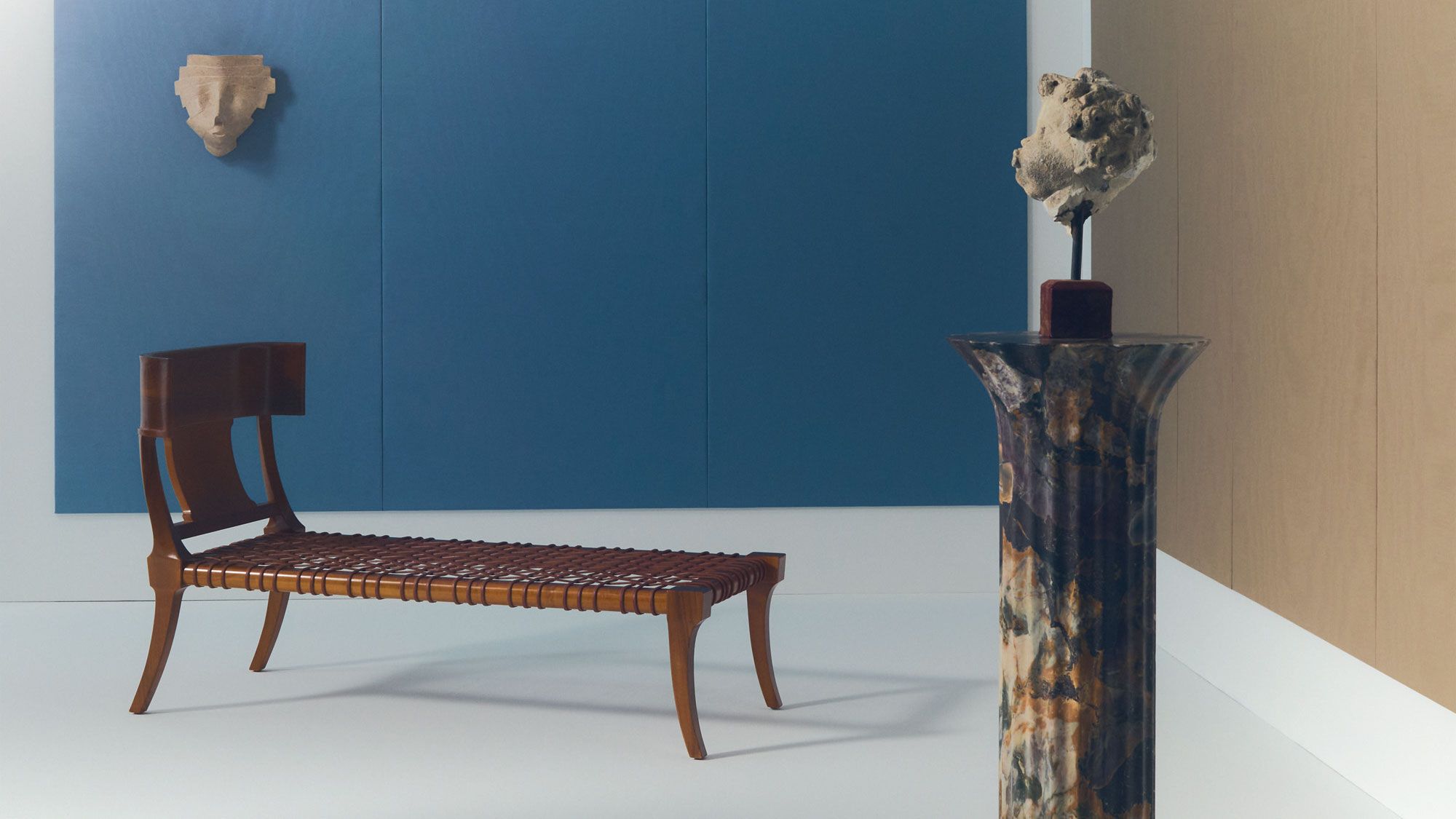
Understanding Space Through Case Studies
To understand the transformation of classical elements within modern spaces, it is beneficial to begin with specific case studies. For instance, in the 1990s, Michael Gabellini designed spaces in Paris and Hamburg for Jil Sander, distilling 1890s French architectural aesthetics into minimalism. In these projects, walnut Klismos stools and benches served as visual anchors. This approach demonstrates how historical symbols can be integrated into contemporary contexts: rather than accumulating decoration, it uses restrained expression of material and form to allow classical lines to serve the functionality of the space. Similarly, the Maxalto Cleide chair, presented in brushed oak and leather, continues this modern interpretation of classic forms. These cases remind us that when procuring furniture, we should focus on how individual pieces dialogue with the overall atmosphere of the space, rather than pursuing style labels in isolation.
Preserving Existing Architectural Character
When introducing new furniture into existing buildings, the key lies in respecting the proportions and textures of the original structure. If a space retains classical architectural lines or historical textures, newly added items should avoid excessive ornamentation and instead echo the environment through material selection. For example, the Maxalto Cleide chair, crafted from brushed oak and leather, features a simple form that naturally integrates into interiors with a sense of history, neither appearing abrupt nor dominating the space. This selection logic reminds us that preserving the original architectural appearance does not imply stagnation; rather, it achieves a balance between old and new elements in both function and aesthetics through restrained modern design. When the volume of the furniture harmonizes with the architectural space, the original architectural features are extended, while simultaneously infusing the space with new vitality.
The Relationship Between Materials and Light
The reaction of furniture materials to light directly influences the visual temperature and layering of a space. For example, the Maxalto Cleide chair uses brushed oak and leather, a combination that presents delicate textural changes under natural light. It retains the warmth of wood while softening light and shadow through the matte texture of the leather. In contrast, walnut materials, such as those in the Klismos series, often appear deeper and more stable under indoor lighting, making them suitable for creating a serene atmosphere. When purchasing, it is advisable to focus on how the material surface handles light: whether to pursue high-gloss reflection to brighten the space or prefer diffuse reflection to create a soft feel. For rooms with insufficient lighting, a combination of light oak and light leather can effectively enhance brightness; in areas with ample light, dark walnut or textured leather can add weight and privacy to the space. Understanding the interaction between materials and light helps precisely regulate the visual comfort and emotional tone of living spaces within a limited budget through local material choices.
Integrating Furniture into Daily Life
The core of integrating furniture into daily life lies in the balance between function and form, rather than mere visual display. Taking the Maxalto Cleide chair as an example, its combination of brushed oak and leather retains the elegance of classic lines while enhancing sitting comfort through material texture. This design philosophy stems from an understanding of the functionality of ancient Greek architecture, where form serves utility. In daily use, a chair must not only be beautiful but also adapt to frequent usage scenarios. For instance, although the Klismos series is known for walnut and leather, its simple structure also allows for flexible movement within limited spaces. When procuring, attention should be paid to whether the furniture is easy to clean and maintain, and whether its dimensions fit the flow of daily life. When furniture becomes part of life, its value transcends decoration, transforming into a daily tool that enhances living quality.
Balancing Collection and Utility
In home decisions, collection-grade items are often appealing due to their unique design, but the wear from daily use is a reality that must be faced. Balancing the two lies in examining the structural logic and material durability of the furniture. For example, the Klismos series designed by TH Robsjohn-Gibbings in 1961, inspired by stool patterns on ancient Greek pottery, is made of Greek walnut and leather rope. This design distills classical principles into modern forms; its simple structure not only possesses visual collection value but is also suitable for long-term, high-frequency use due to the natural durability of the materials. For readers pursuing quality of life, there is no need to make a binary choice between 'display' and 'practicality.' Classic designs like this often achieve a unity of aesthetics and function through restrained lines and high-quality materials. When purchasing, focusing on whether a single item can maintain structural stability under daily friction is the core basis for judging whether it possesses both collection and utility value.
Reflecting on Your Own Home Through Cases
Reviewing past cases, the core lies in extracting reusable spatial logic. For example, the Klismos series transforms stool patterns from ancient Greek pottery into modern forms. This minimalist distillation of historical symbols inspires us that in our own home renovations, we need not pile up decorations but should establish the spatial tone through restrained expression of materials and lines. If your home retains classical architectural textures, introducing items like the Maxalto Cleide chair, which combines brushed oak and leather, can naturally echo the environment and avoid conflict between old and new. This design method emphasizes function first, as Dumas believed, the essence of Greek architecture lies in functionality. When looking back at your own home, focus on how individual pieces dialogue with the overall temperament, rather than pursuing style labels in isolation. By borrowing this approach of integrating classical principles into modern life, furniture can satisfy daily use while endowing the space with deeper cultural texture and visual balance.
Good questions, clear answers.
What does Timeless Deco do?+
Timeless Deco connects European furniture resources with interior projects, offering selection, sourcing coordination, logistics and installation planning. The exact scope is agreed for each project.
Can you source several brands for one project?+
A project can start with a multi-brand furniture schedule that considers dimensions, finishes, budget and delivery. Share a floor plan and references for the brands or spaces you prefer.
How do I start a sourcing conversation?+
Submit your name, contact details, city and brief through the project enquiry page. You can also call the consultation number or send an email directly.
Take your inspiration a little further.
Start your project ↗