
Design perspectives
The Blurring of Boundaries Between Furniture and Spatial Context
Furniture is no longer isolated but interacts with spatial context and sensory experiences, allowing living spaces to evolve continuously.
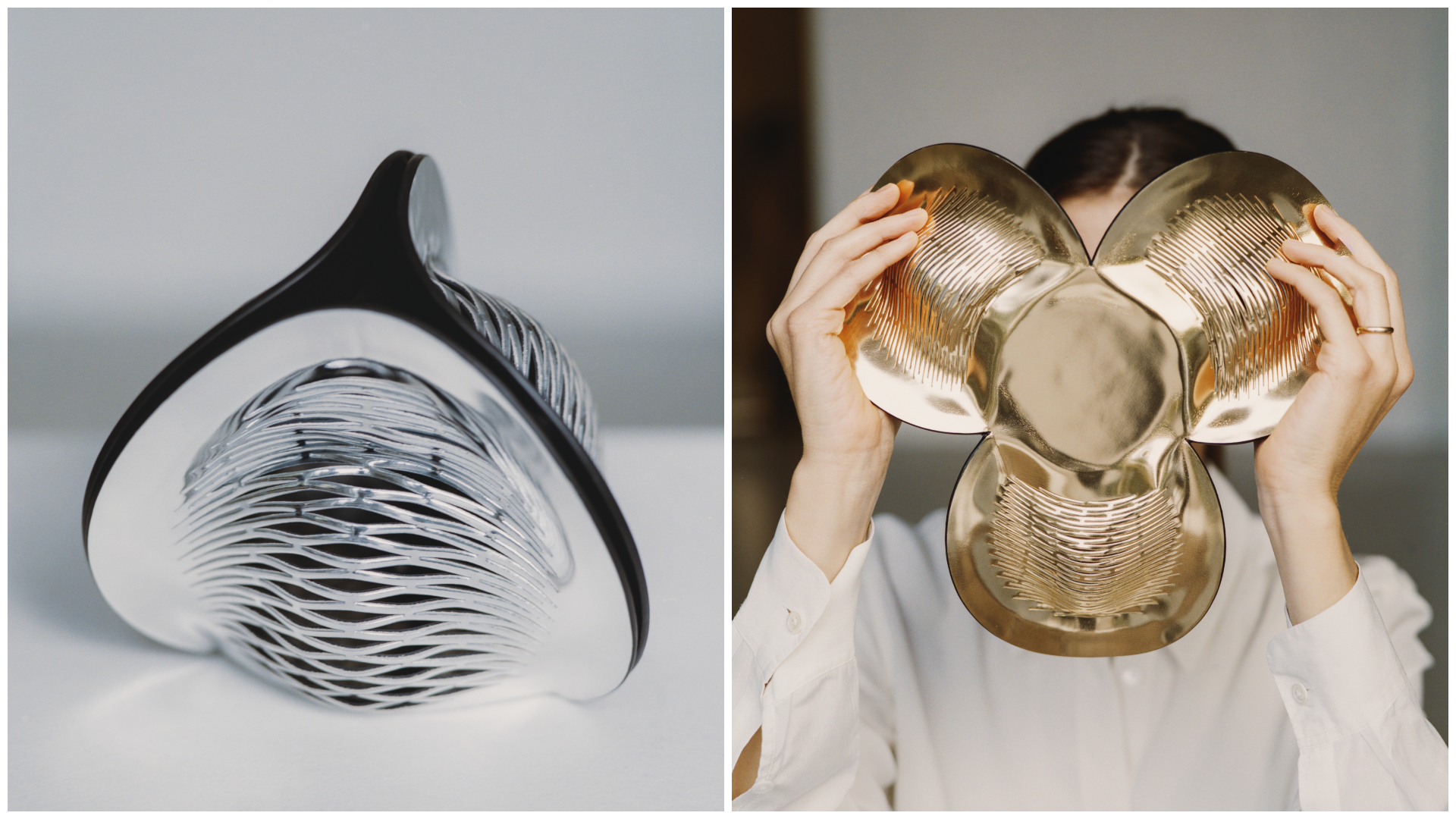
The Evolution of a Residence
A residence is not a static container but a dynamic organism that evolves with the aesthetic preferences and needs of its inhabitants. This transformation often begins with a re-examination of spatial relationships. For instance, jewelry designer Maria Sole Ferragamo views accessories as holistic elements that interact with both the body and the interior environment. Her newly launched Oracle fragrance object integrates leather, metal, and scent, adding a new spatial dimension to sculptural works. Similarly, the establishment of the Swedish brand Tankeom reflects a rethinking of domestic objects. Founders Lotta and Magnus Wästberg invited designers such as Ilse Crawford and John Pawson to create a series covering various materials and styles through open-ended briefs. These examples demonstrate that when furniture and decorative objects are no longer isolated but interact with spatial context and sensory experiences, the residence gains the potential for continuous growth.
Letting Existing Materials Continue to Speak
In interior renovation, retaining original materials is not merely nostalgic but a respect for the temporal depth of the space. When old walls or floors are juxtaposed with new furniture, the texture and color of the materials form a natural dialogue. For example, Kartell, as a participant in design forums, often uses transparent or colored plastic furniture to intervene in spaces with a sense of lightness. This creates a contrast with rough, raw walls, allowing old and new materials to maintain their independence. This pairing approach reminds us that there is no need to pursue uniformity throughout the house; instead, materials from different eras should transition naturally in light and shadow. If a home already contains unique, textured items, they can serve as spatial anchors. New additions should feature simple lines to avoid visual interference. This creates a layered space where inhabitants can feel the flow and accumulation of time in their daily lives, rather than being constrained by a single style.
Continuity Between Indoor and Outdoor Spaces
Breaking down the physical boundaries between indoor and outdoor spaces is key to creating a transparent living experience. This continuity is reflected not only in visual extension but also in the flow of materials and senses. For example, So-Le Studio’s Oracle fragrance object combines leather, metal, and scent, transforming accessories originally meant for the body into holistic elements within the interior space, thereby blurring the boundary between the wearer and the environment. Similarly, the bronze candlestick designed by John Pawson for Tankeom uses a steady material to echo natural light, suggesting a resonance between interior furnishings and the external environment. In renovation, floor-to-ceiling windows, unified color palettes, or weather-resistant materials can be used to make furniture a medium connecting the inside and outside. When light and scent move freely, the space is no longer closed off but interacts with the outside world in a breathing manner, allowing inhabitants to feel a broader living radius indoors.
The Juxtaposition of Furniture and Art
In living spaces, the boundary between furniture and artworks is becoming increasingly blurred. This juxtaposition is not a simple decorative overlay but is based on dual considerations of function and aesthetics. For instance, So-Le Studio’s Oracle fragrance object combines leather, metal, and scent, serving both as a sculpture for appreciation and as a spatial fragrance source, embodying the multiple attributes of an object. Similarly, the bronze candlestick designed by John Pawson for Tankeom integrates into daily life with a minimalist form. Its artistic quality does not rely on complex shapes but stems from the interaction between material and light and shadow. In renovation, choosing objects that combine practical and aesthetic value can add depth to the space. There is no need to strictly distinguish between 'furniture' and 'art'; instead, focus on how objects resonate with the inhabitant’s rhythm of life. When an item satisfies daily needs while evoking aesthetic pleasure, it naturally becomes an artistic presence in the space, enriching and refining the living experience.
Details in Living Scenarios
The texture of a living space is often hidden in the subtle details of daily interactions. When the focus shifts from macro-layout to specific objects, the tactile feel of materials and the scale of forms become key indicators of spatial comfort. For example, Kartell’s works often intervene in life with lightweight plastic materials. This transparent or semi-transparent quality reduces visual weight, making furniture appear more open in compact spaces. This design philosophy suggests that when selecting bedside tables or side tables, one should pay attention to how materials react to light. If a space has limited natural light, choosing objects with smooth surfaces and bright colors can reflect natural light and alleviate a sense of oppression. Conversely, in well-lit areas, dark or matte materials can settle the gaze and create a serene atmosphere. The handling of details is not about piling up decorations but ensuring that every item serves a specific life path, maintaining order and warmth in the space over long-term use.
Reflecting on the Present from Case Studies
Reviewing recent design practices, the boundary between objects and space is becoming increasingly blurred. Taking So-Le Studio as an example, its Oracle fragrance object combines leather, metal, and scent, no longer limited to being worn but existing as a whole within the interior environment. This approach suggests that in renovation, furniture should not be viewed as isolated functional units but as elements that interact with sensory experiences. Similarly, the Tankeom brand invited designers like John Pawson to create a series covering various materials, such as bronze candlesticks, through open-ended briefs. These items use a steady texture to echo natural light, suggesting a resonance between furnishings and the environment. These cases indicate that current design trends are shifting from a single style to a deep response to spatial context. Inhabitants can choose objects that combine practical and aesthetic value to allow the space to form a breathing interaction in light and scent, thereby gaining a richer living radius.
Good questions, clear answers.
What does Timeless Deco do?+
Timeless Deco connects European furniture resources with interior projects, offering selection, sourcing coordination, logistics and installation planning. The exact scope is agreed for each project.
Can you source several brands for one project?+
A project can start with a multi-brand furniture schedule that considers dimensions, finishes, budget and delivery. Share a floor plan and references for the brands or spaces you prefer.
How do I start a sourcing conversation?+
Submit your name, contact details, city and brief through the project enquiry page. You can also call the consultation number or send an email directly.
Take your inspiration a little further.
Start your project ↗